

970x125
Since ancient times, music and art have been a part of rituals, temples, and traditions. You may have seen paintings depicting music and dance on the temples in Thanjavur, or on Greek pottery. But there’s a lot more to the intersection between art and music than just that.
970x125
Ragamalas
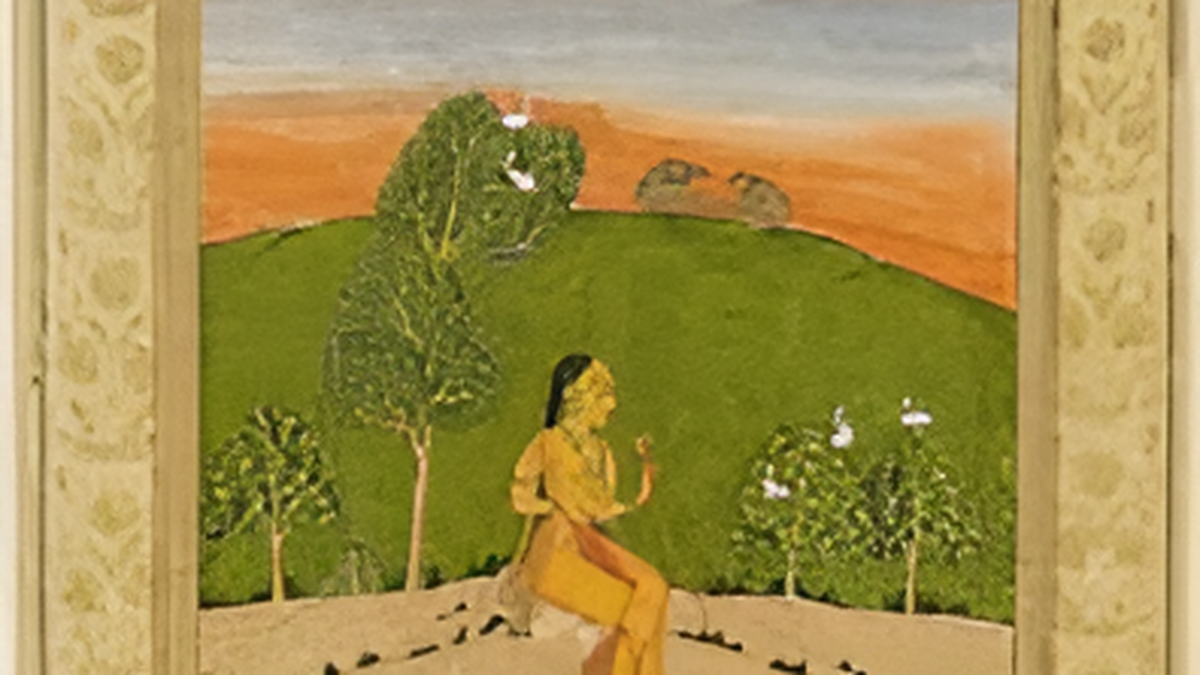
Ragamalas (lit. “Garlands of Ragas”) are essentially paintings that show a visual depiction of a musical raga (scale or mode in Indian classical music). These miniature paintings stand as classical examples of an amalgamation of art, music, and poetry. The art form originated in Rajasthan and many paintings were created in schools of Indian painting, during the 16th and the 17th Century.
In these paintings, each raga is personified by a colour, mood, and a verse describing the story of a hero and a heroine (nayaka and nayika), it also shows the season and the time of day a raga is to be sung. For example, Raag Basant Bahaar being a spring raag, the ragamala will depict scenes of nature like blooming flowers, trees, animals and birds.
Some paintings also personify ragas attached with a deity, like Raag Bhairava or Bhairavi to Lord Shiva.
The Temples of Belur
The Chennakeshava Temple in Belur, in Karnataka, houses many paintings and sculptures depicting musicians, like many other temples across India. These figures showcase musicians playing 12th Century instruments like flutes, cymbals, percussion instruments, and the veena.
A sculpture of a musician with a drum at the Chennakeshava Temple in Belur. PHOTO: WIKIMEDIA COMMONS
Kandinsky’s Synthesesia
Russian painter and art theorist, Wassily Kandinsky, was known widely for his pioneering and contribution to abstract art. He was also known to experience synesthesia. It is a rare but real condition in which one sense triggers another. For example, people with synesthesia might smell something when they hear a sound, or see a shape when they eat a certain food. Kandinsky saw colours when he heard music, and also heard music when he painted.
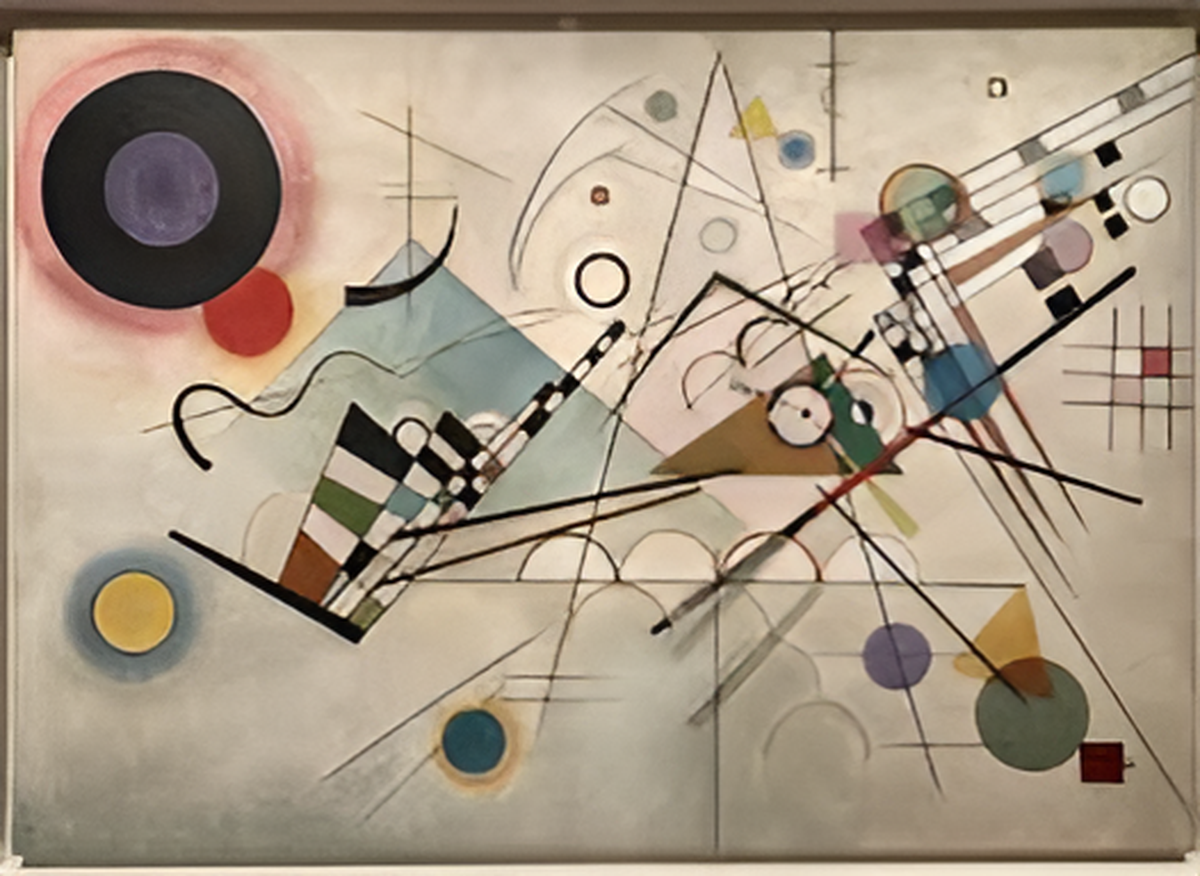
Kandinsky’s Compositions. PHOTO: WIKIMEDIA COMMONS
His experience with synesthesia is often reflected in his artworks. His most famous, The Yellow Sound, which utilised original musical scores, lighting, and various media to explore prevalent colour theories.
His art was also influenced by the Viennese composer Arnold Schönberg. Schönberg abandoned the conventions of tonality and harmony in his compositions, much like how Kandinsky rejected conventions of structure in favour of shapes, lines and disharmonious colours. If it also helps you to know, he often named his paintings as Composition or Improvisation.
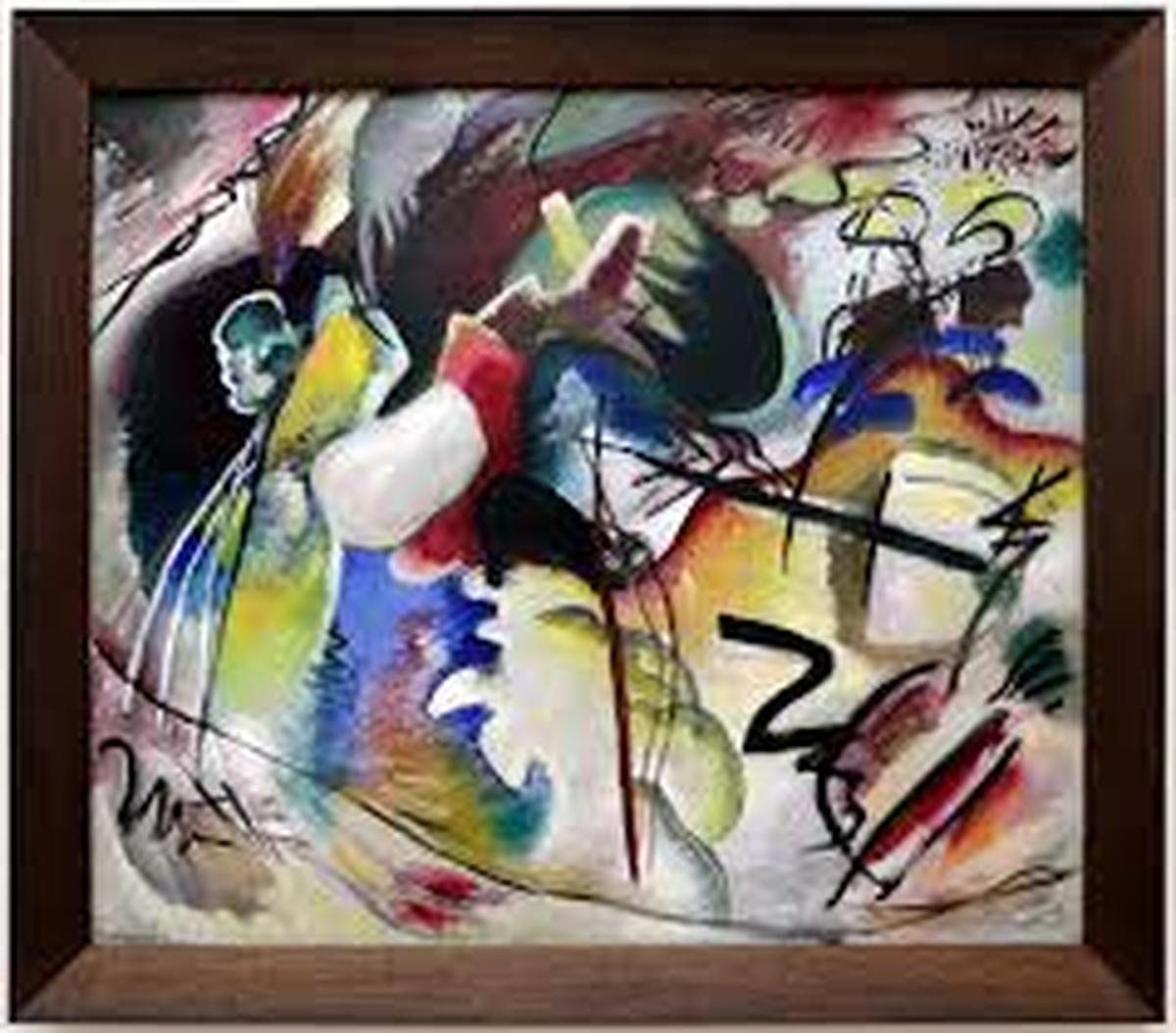
Kandinsky’s “Study for Painting with White Form” (1913). PHOTO: WIKIMEDIA COMMONS
The Picasso-Stravinsky combo
Painter Pablo Picasso and composer Igor Stravinsky were friends and frequent collaborators via the Ballet Russes. The Ballet Russes was a ballet company that began in Paris and performed between 1909 and 1929 throughout Europe and toured across North and South America.
During the course of their friendship, they worked together on many projects. One such was Pulcinella, one of Stravinsky’s ballets. Picasso designed the costumes and set, inspired by the Italian folk theatre and the commedia dell’arte (play of professional artists). They also collaborated for other ballets like The Three-Cornered Hat, and Parade.
Picasso also contributed to Stravinsky’s Ragtime. Stravinsky composed the music, while Picasso made a special line drawing to be on the cover.
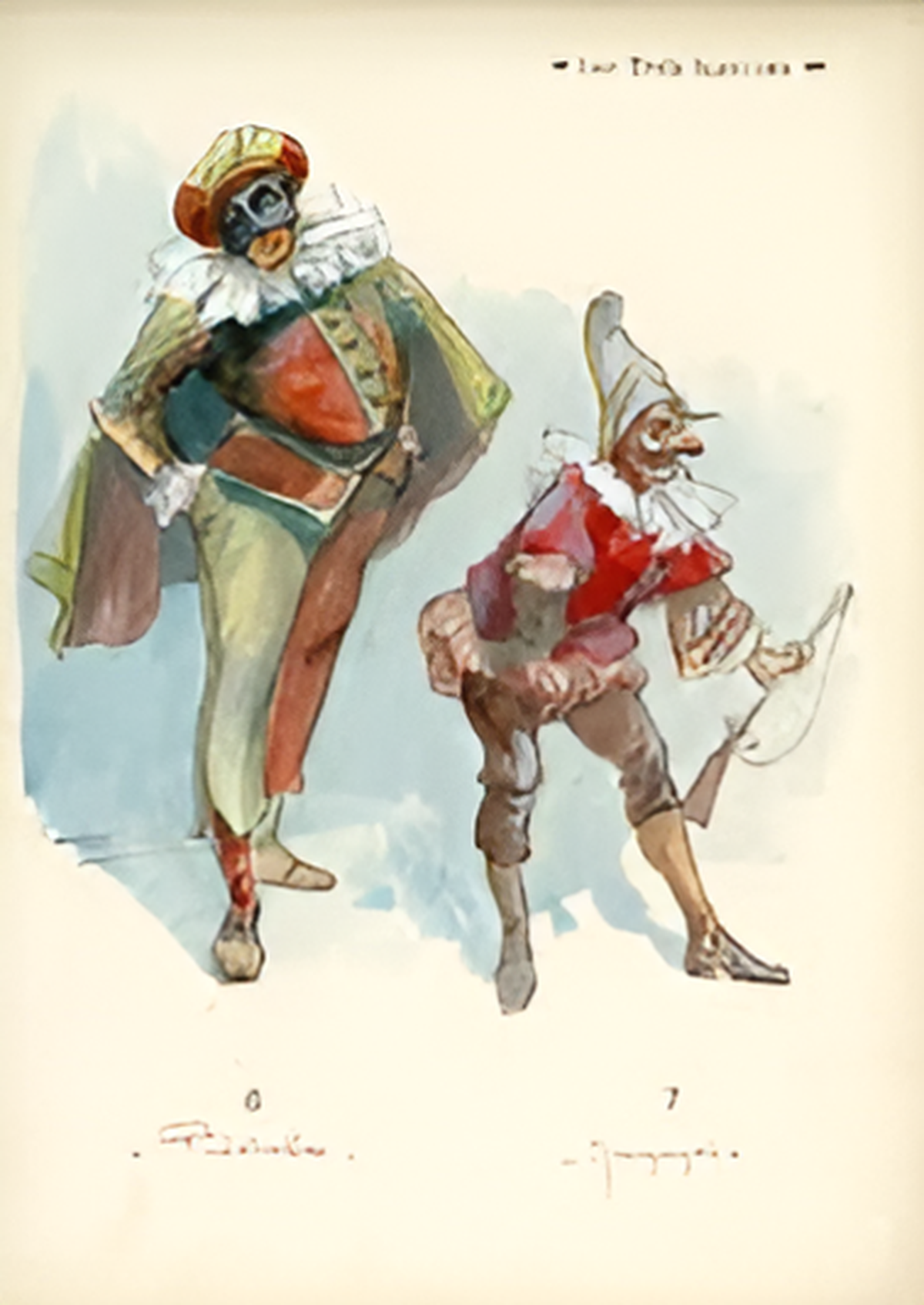
Pulcinella costumes designed by Picasso. PHOTO: WIKIMEDIA COMMONS
A great wave
Speaking of which, here’s one such case where an artwork inspired music. French composer and pianist Claude Debussy is often lauded by music critics and audiences for his depiction of the rocky seas in his orchestral composition, La Mer (translated, “the sea”).
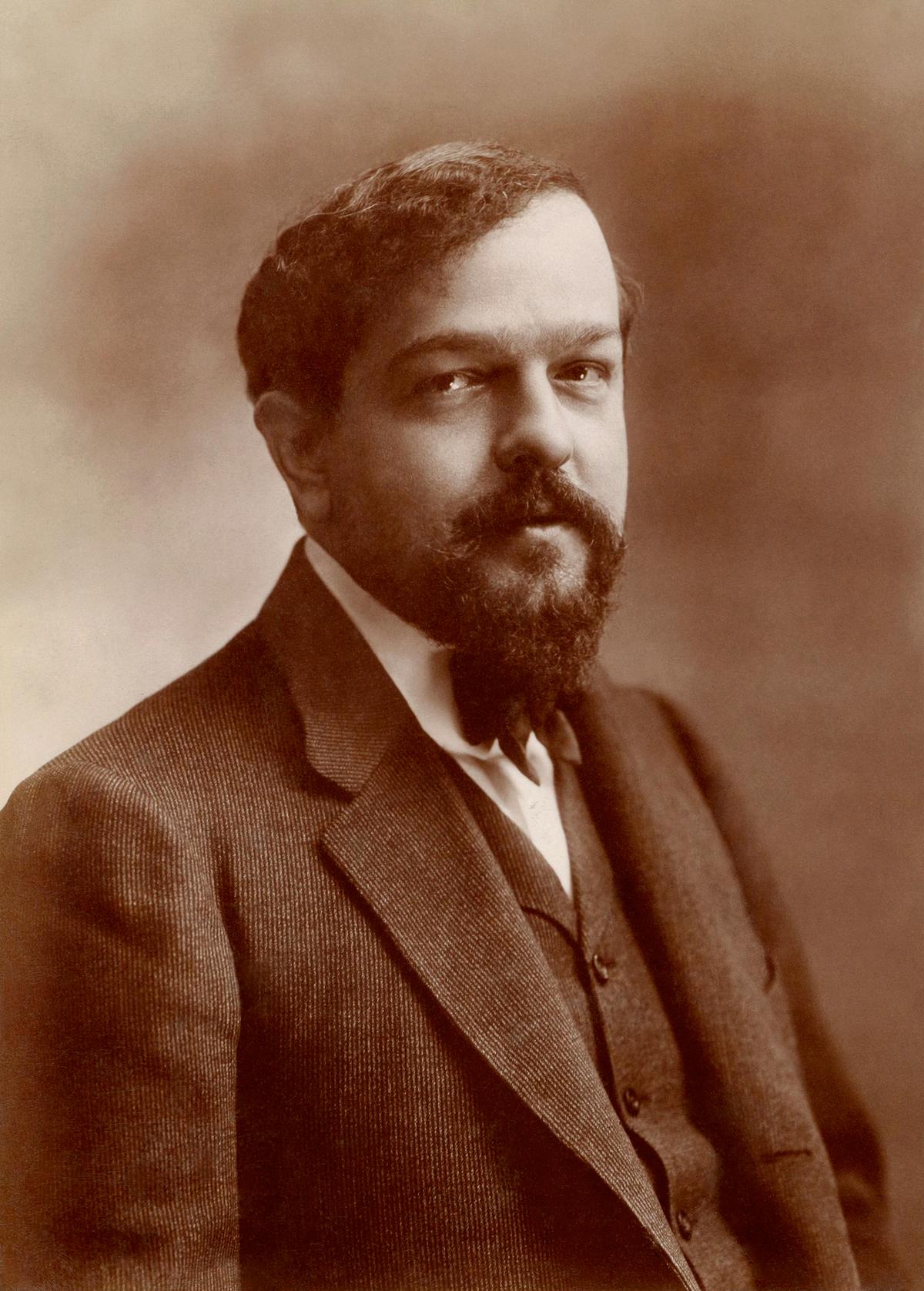
Claude Debussy c. 1900. PHOTO: WIKIMEDIA COMMONS
Debussy was also known for his fascination for Japanese art, and the sea. He also often painted images of the Far East (the countries of Eastern and Southeastern Asia, including China, Japan, North and South Korea, and Southeast Asian nations like Vietnam, Thailand, and Malaysia). He had kept a copy of a print artwork titled “Under the Great Wave of Kanagawa” by the Japanese artist, Hokusai. That print went on to inspire his La Mer.
In fact, he even sought for the artwork to be on the cover of the first edition for La Mer, which was released in 1905. In doing so, he conveyed a sense of familiarity and exoticism, since the work was already popular across Western Europe.
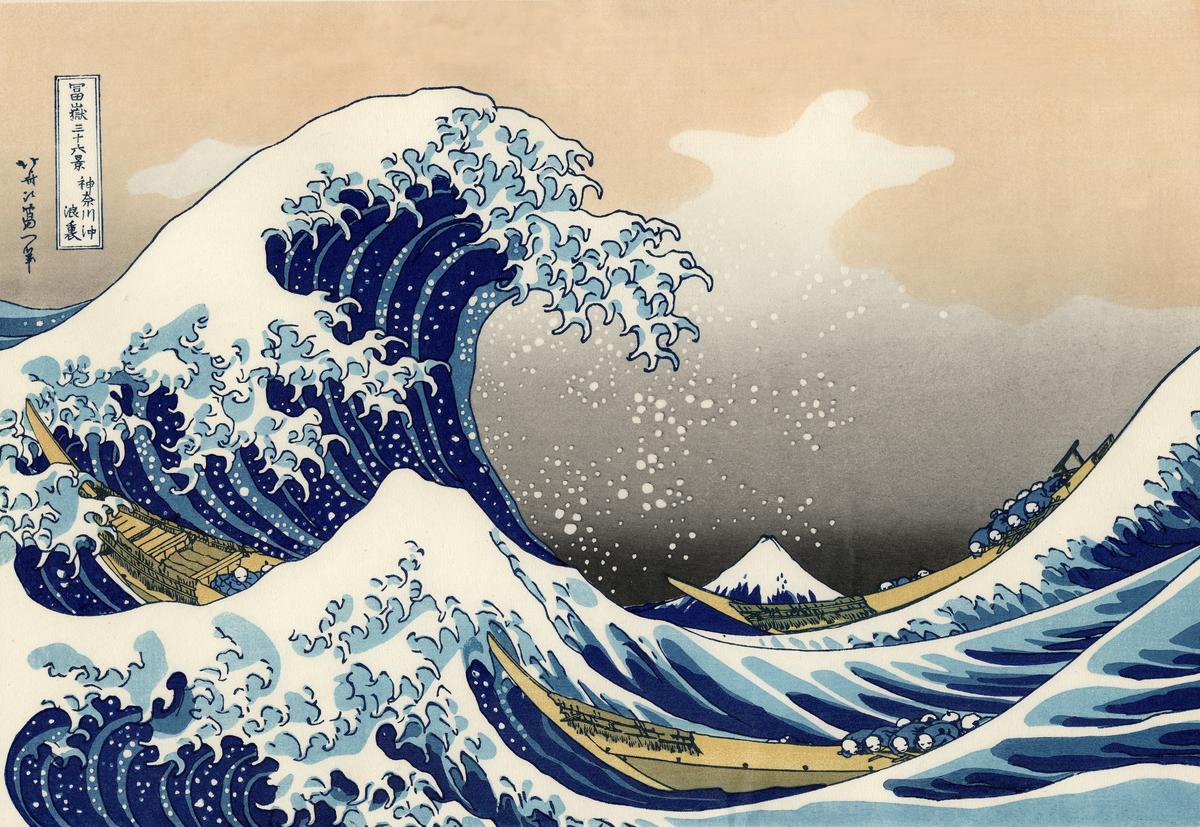
Hokusai’s “The Great Wave off Kanagawa” which inspired Debussy’s La Mer. PHOTO: WIKIMEDIA COMMONS
Album artwork
The intersection between art and music did not just stop with classical music. Contemporary album covers are a great example of music and art intersecting to create beauty.
The Dark Side of the Moon: The album cover of Pink Floyd’s ‘The Dark Side of the Moon’, is regarded as one of the most recognisable album covers. It was designed by Storm Thorgerson and George Hardie of Hipgnosis, an English art design group that specialised in album covers for rock bands and artists. Band member Richard Wright needed an album cover that highlighted the band’s lighting and the album’s themes of conflict, greed, time, and mental illnesses. Hence, the album cover shows a prism dispersing white light into colours and represents three elements: the band’s stage lighting, the album lyrics, and Wright’s request for a “simple and bold” design.
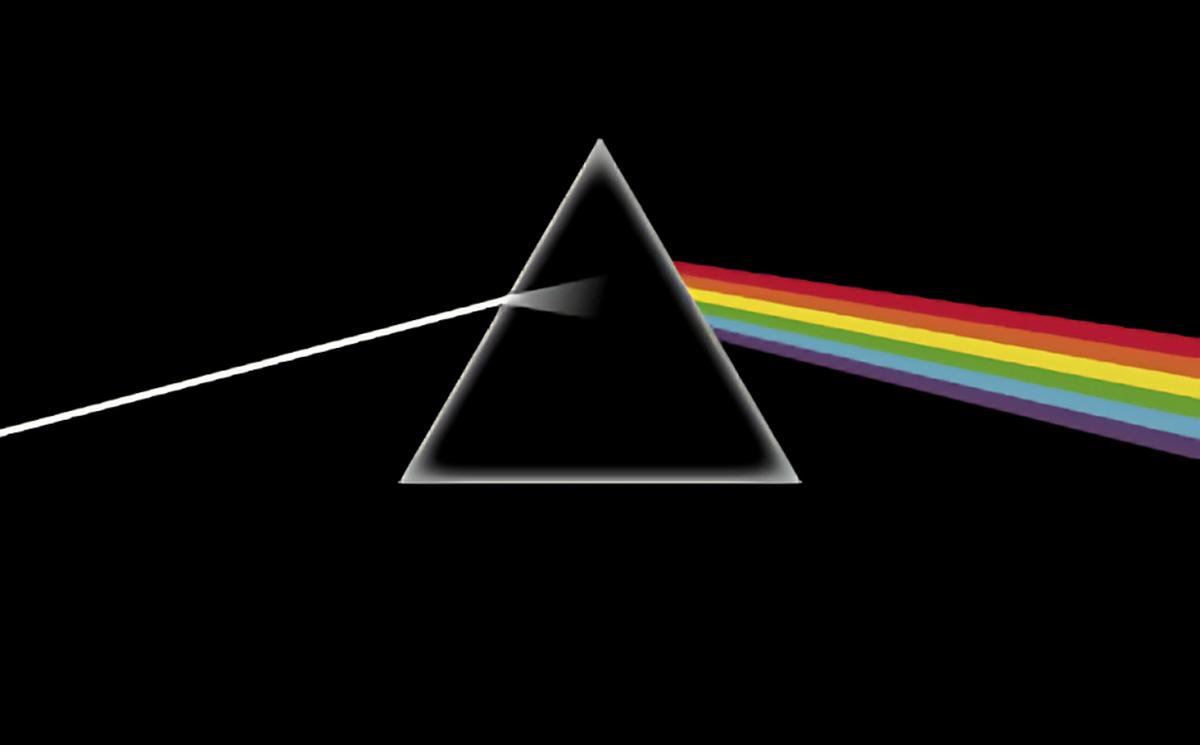
“The Dark Side of The Moon” album cover. PHOTO: FLICKR
Sgt. Pepper Lonely Hearts Club: The Beatles’ “Sgt. Pepper Lonely Hearts Club” album cover is also notable for its strikingly stunning artwork. The image features the Beatles, in their military getups, standing in front of dozens of celebrities, including Bob Dylan and Marlon Brando, as well as wax figures of themselves. The pop artist Sir Peter Blake is credited with the co-creation of the album cover. For his iconic work, he is often called the “Godfather of British pop art.”
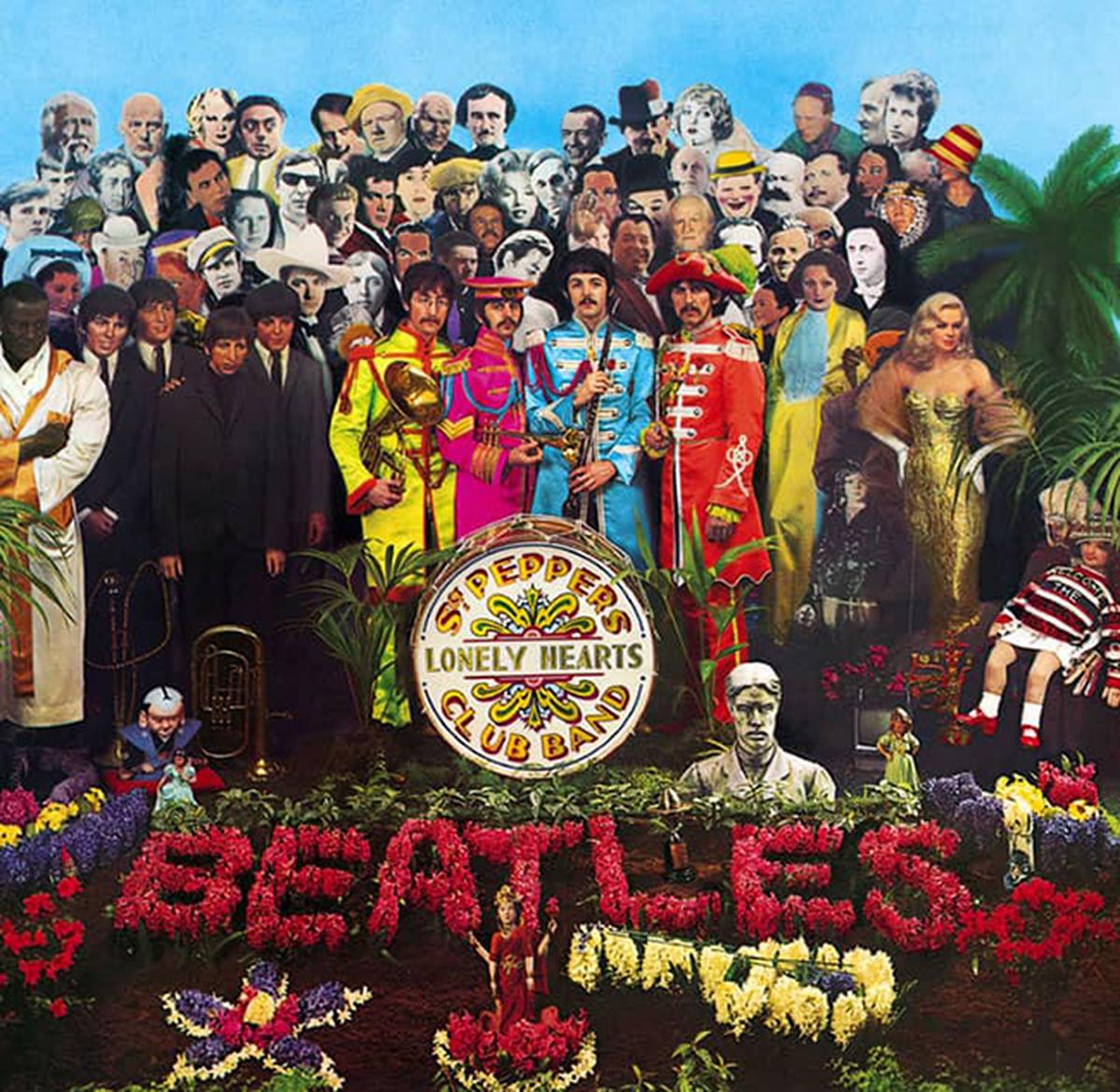
The “Sgt. Pepper Lonely Hearts Club” album cover. PHOTO: SPECIAL ARRANGEMENT
In modernity
If you go to rock or pop concerts of artists like Coldplay or Beyoncé, chances are you have seen stunning visuals on the screen behind the artists. These are also a viable example of the art and music intersection. K-Pop groups are also getting creative with their logos.
In conclusion, the relationship between music and art is timeless. It is evolving, yet rooted in shared expression. Whether on canvas, stone, or in musical notes, music and art continue to inspire and transform each other.
970x125
