

970x125
Aedes-borne viral diseases (ABVD) – dengue, Zika, and chikungunya hurt India’s productivity. Local governments and society focus their efforts on outdoor fumigation. This method persists, despite evidence that it is ineffective. It also does not have backing from national agencies as a routine measure.
970x125
The Aedes mosquito adapts well to human settings. It feeds indoors during the day, and at night under artificial light. Methods like outdoor fumigation, vaporizers, and bed nets are thus ineffective against it.
Top-down measures, such as the use of Wolbachia mosquitoes, which use a naturally-occurring bacteria, Wolbachia, to help suppress mosquito populations or help breed mosquitoes that cannot transmit diseases, show promise. But high costs and weak institutional support limit their adoption. Dengue vaccine trials are underway, but these offer no protection against Zika or chikungunya.
The best ways to fight Aedes mosquitoes at present therefore, are through personal protection and community mobilisation.
First line of defence
Traditional pyrethroid-based vaporizers (commonly used in households) are of limited use, as Aedes activity is minimal at night and they are evolving tolerance to these chemicals. An effective strategy focuses on protecting us from mosquitoes rather than killing them.
Loose clothing that covers as much of our body as possible, from September to November is a sensible first step. Next, safe non-insecticides (topical repellents) can be applied on the skin. By releasing volatile compounds, these repellants impair the mosquito’s sense of smell, making us essentially invisible to them. The World Health Organization (WHO) recommends using several effective and safe Aedes repellents. DEET is the gold standard for insect repellents. Each year, more than 200 million people use it safely. A 20% concentration provides about six hours of protection. Para-menthane-diol (PMD), derived from the essential oil of the lemon eucalyptus plant (OLE/citronellal) is also effective. It is one of the three plant-based repellents endorsed by the United States Centers for Disease Control (CDC) and Prevention. Picaridin, a compound similar to piperine found in black pepper, and 2-undecanone, extracted from the wild tomato plant, are also effective Aedes repellents. IR3535, derived from the naturally occurring amino acid β-alanine, also works well.
Global public health agencies and experts approve DEET (20%), picaridin, 2-undecanone, and IR3535 for use in breastfeeding, pregnant women, and children. Agencies do not recommend OLE/PMD/citronellal in children under 3 years of age.
In contrast, many well-known natural products, including citronella oil, are unreliable. They tend to lose their effectiveness within 1-2 hours due to evaporation from the skin. Undiluted concentrations cause severe skin irritation. Experts advise against using them until high-quality studies and safety tests are available.
Community mobilisation
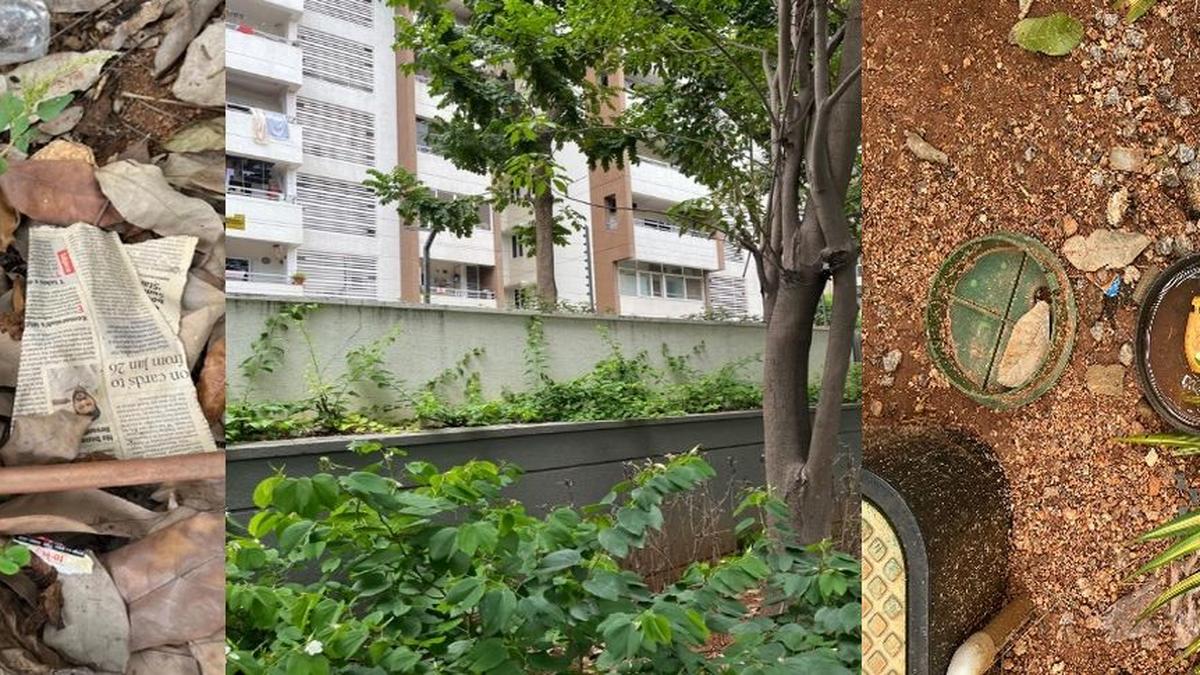
The Aedes mosquito has a short range of 100-200 metres. Thus, local community actions to remove larval breeding sites can have a quick and powerful impact.
The influential Camino Verde randomised study (RCT) tested community actions. Trained local leaders taught communities about mosquito behaviour and larval breeding sites. Households removed stagnant water from plant pots. They also cleaned and covered indoor and outdoor water containers. Finally, they got rid of discarded plastic bottles and tyres. These efforts reduced dengue infections by 29%. A similar RCT from Chennai showed reduced larval breeding. Using effective lids on water containers cut the odds of larval presence by 94% in another study.
Surprisingly, the Camino Verde study found that the larvicide temephos (a chemical that kills mosquito larva) increased the risk of dengue. Researchers concluded that the most likely reason was a false sense of security among users, leading them to let their guard down. Many studies from South Asia since then have confirmed that Aedes larvae can develop resistance to temephos.
Plastic pollution is directly linked to the risk of ABVD transmission. Studies show discarded plastics predict dengue epidemics, and regular trash collection/flood management protect against ABVD.
The Ministry of Health & Family Welfare’s 2017 monograph India Fights Dengue has additional India-specific recommendations for larval source control. These include removing discarded coconut shells, cleaning air coolers, and not reusing the grass in air coolers for a new season. India’s Accredited Social Health Activists (ASHA) network could help turn these guidelines into real change at home and in communities.
A public health campaign from Delhi, supported by Indian government agencies, provides a model for other Indian cities. Called the rule of 10 – “10 Weeks, 10 AM, 10 Minutes,” it reinforces larval source reduction as the primary strategy. It encourages every residential welfare association to mobilise each household to set aside 10 minutes at 10 AM every Sunday for 10 weeks from September to November. The goal is to find and eliminate sources of stagnant water during this high-risk season.
Local to national action
Municipal corporations and resident welfare associations should stop depending only on fogging. Instead, they should focus on reducing larval burden, with fogging used as a tactic during outbreaks alone. Local experts can assist by reinforcing a key “bottom-up” approach. This involves teaching people about effective and affordable personal repellents and reinforcing whole-body clothing during September-November. Urban dwellers need education about stagnant water around indoor plants, flower vases, and sinks.
The global gold standard DEET is difficult to find in Indian markets. This is most likely due to consumer preference based on misinformation. Misleading “natural” and “DEET-free” products in Indian stores overwhelm the Indian consumer. We need urgent education to combat the unfounded fear of DEET. Effective natural/nature-inspired repellents like picaridin, PMD, IR3535, and 2-undecanone are also not available in India. There is an unmet need for such proven products in the Indian market.
Materials coated with delayed-release transfluthrin are now gaining attention. These “spatial emanators,” like jute sheets, provide 15-days of continued protection in living spaces. There is no need to turn on a vaporizer every night if one uses them. A landmark study from Peru showed that these emanators cut ABVD risk by an impressive 34%. Wolbachia mosquitoes are already in use in 15 countries with successful results. India needs top-down initiatives to study, approve, and reduce the cost of these innovations.
By using a strategy with top-down and bottom-up features, we can create a 100–200-metre safe zone around all of us. We need to clear the fog of outdated practices and reclaim our homes from this persistent threat.
.
(Dr.Srinivas R Mummadi is a pulmonary and critical care physician based in Hyderabad, India. m.srinivasreddy@gmail.com)
Published – September 12, 2025 06:00 am IST
970x125
