

970x125
As India celebrates Independence Day each year, the issues of economic development, technical innovation, equal rights and education come up. What, however, should also top the nation’s list of priorities is freedom from preventable ailments, an aspect of independence to which we seem to pay little regard.
970x125
Enabling citizens to live productive and healthy lives free from the burden of disease is the essence of true national independence. Preventive health screening is one of the most effective ways to accomplish this.
The price of being late
India continues to face a dual disease burden: infectious diseases on the one hand, and a fast-expanding wave of non-communicable diseases (NCDs) such as diabetes, hypertension, cardiovascular problems, and certain malignancies on the other. According to the World Health Organization (WHO), NCDs account for more than 60% of all deaths in India. Yet, many of these disorders can be detected and managed years before they become life-threatening.
Although our healthcare system has begun to focus on prevention, it is still not free from the malaise of relying mainly on reactive care, responding only when symptoms show or consequences develop. This reactive approach is expensive and less effective. Late diagnosis not only harms health outcomes, but also depletes household savings, lowers workforce productivity, and places an unnecessary strain on the healthcare system.

Why preventive screenings
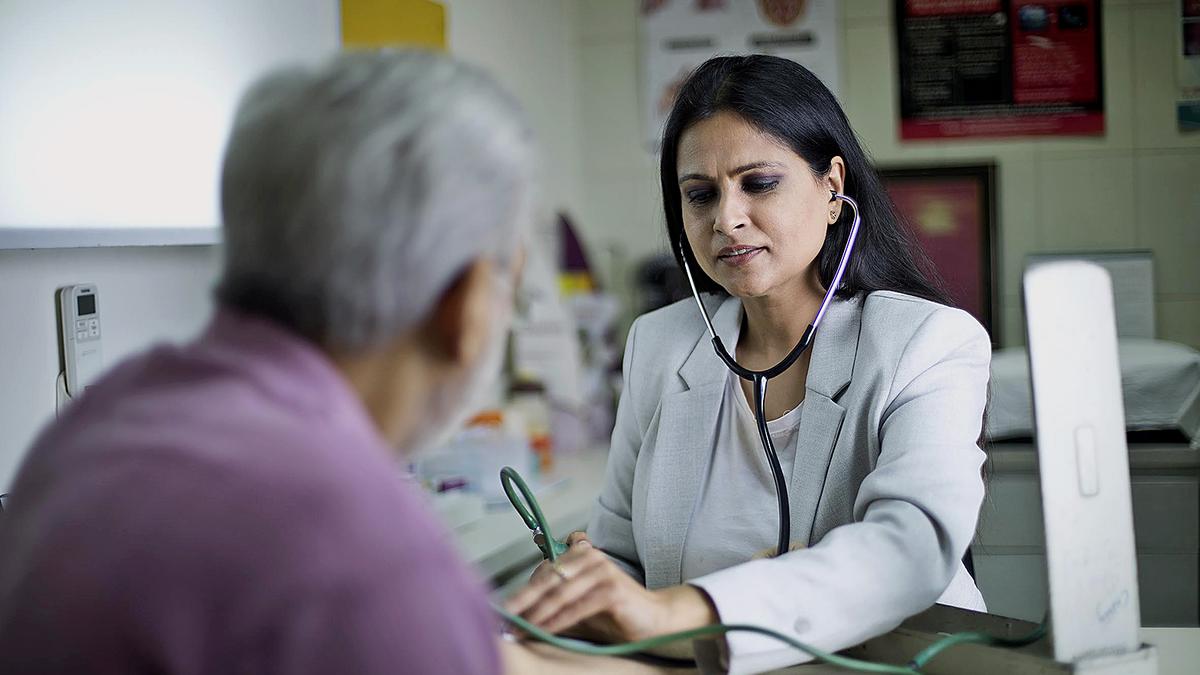
Preventive health screenings, whether a simple blood sugar test, lipid profile, mammography, or full-body health check, serve as an early warning system. They assist in identifying risk factors before they develop into major disease.
Regular screenings allow early detection. For instance, diabetes and hypertension can be efficiently managed if detected early, avoiding consequences such as renal failure or stroke. Equally important is risk reduction which entails recognising high cholesterol or pre-cancerous changes that allow for lifestyle adjustments or focused therapies that significantly reduce long-term risk. Another factor in the ambit of prevention is lower healthcare costs. Preventing chronic illnesses is significantly less expensive than controlling them, both for the individual and the healthcare system.
In effect, preventive screenings are not just a medical tool but a form of health security — protecting individuals and the nation as a whole.

Changing mindsets
A key challenge is cultural. For many Indians, consulting a doctor when you’re feeling fine appears superfluous. Preventive screenings are sometimes viewed as a discretionary luxury rather than necessary investments in healthcare.
We need a shift in thinking, where preventative care is viewed as a responsibility rather than an afterthought. This demands concerted actions.
The government must incorporate screenings into national health programmes and fund tests for vulnerable groups. For employers, offering yearly health screenings could be a job benefit, not a perk. Healthcare providers meanwhile, should simplify and package screening programmes to make them more accessible.
As for individuals, taking personal responsibility for frequent check-ups should be paramount, just as we would for car maintenance or financial preparation.

Independence via health
A healthy India means a more independent India. Preventive screenings enable people to enjoy longer and more fruitful lives, free of the financial and emotional burdens of preventable sicknesses. They preserve the breadwinner’s earning capacity, shield families from exorbitant medical bills, and maintain community resilience.
If we can instil a preventive care culture in our collective psyche, each Independence Day will not only represent political independence, but also the freedom to live without the shadow of undiagnosed sickness. Because, in the end, a nation is only as strong as its citizens’ health.
(Dr. Sharat Damodar is senior consultant, clinical lead, director – adult haemato-oncology & BMT, clinical director, chairman – oncology collegium, Narayana Health, Bangalore. sharat.damodar.dr@narayanahealth.org)
Published – August 19, 2025 02:36 pm IST
970x125
