

970x125
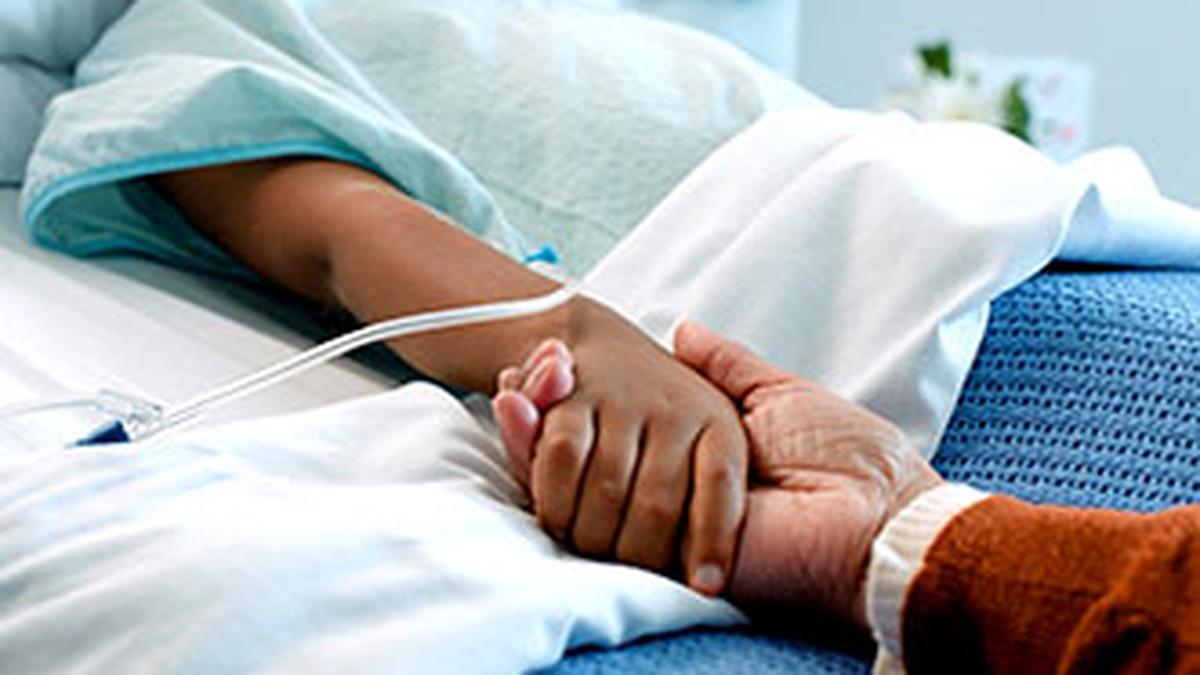
Childhood Acute Lymphoblastic Leukaemia (ALL), the most common paediatric cancer, has seen remarkable progress in treatment. Image used for representational purposes only
| Photo Credit: Getty Images
970x125
September is marked as Childhood Cancer Awareness Month, and so it is perhaps a good time to highlight the progress made in treating childhood cancers, the advances in treatment options and the challenges that still remain.
Childhood Acute Lymphoblastic Leukaemia (ALL), the most common paediatric cancer, has seen remarkable progress in treatment. Traditionally managed with chemotherapy, radiation, and stem cell transplants, these treatments have improved survival rates but left children vulnerable to long-term complications. Recent breakthroughs in immunotherapy, including CAR-T therapy, are revolutionising care, offering new hope for young patients and their families.

Immunotherapy, a game-changer
Immunotherapy harnesses the body’s natural defences to fight cancer, presenting a less invasive alternative to traditional treatments. CAR-T therapy, in particular, has shown remarkable success. This cutting-edge technique involves extracting T cells from the patient’s blood, genetically engineering them to target leukaemia cells, and reintroducing them into the body. These modified cells then hunt down and destroy cancer cells.
Clinical trials have demonstrated remarkable remission rates in paediatric patients who previously had limited survival chances. The U.S. Food and Drug Administration (FDA) has approved CAR-T therapies such as Kymriah and Tecartus for treating relapsed or refractory ALL, signalling a milestone in paediatric oncology.

CAR-T therapy in India
India is emerging as a global leader in immunotherapy advancements. Indian researchers and healthcare institutions have made significant progress in CAR-T therapy for paediatric cancers, including ALL. Indian pharmaceutical companies are actively developing affordable versions of these therapies to make life-saving treatments accessible to more families.
Leading hospitals and research centres in India are conducting successful CAR-T treatments and collaborating with international experts to push boundaries further. The country’s growing expertise and innovation in cancer care positions it as a hub for pioneering immunotherapy treatments.

Barriers and hope
Despite its life-saving potential, the high cost of CAR-T therapy remains a challenge, often running into several lakhs of rupees. However, Indian healthcare innovators are focused on producing more affordable versions, which promise greater accessibility, particularly for families from rural or economically disadvantaged backgrounds.
Increasing awareness and clinical collaborations are driving efforts to overcome barriers, making CAR-T therapy a beacon of hope for countless young leukaemia patients in India.

Advancing care
Advancements in immunotherapy and CAR-T therapy signal the beginning of a transformative era in cancer care. With India’s significant contributions and the global push toward innovation, children battling leukaemia have renewed hope for healthier, brighter futures.
(Dr. Chintan Vyas is senior consultant – paediatric oncology, haemato-oncology & BMT at Narayana Health, Mumbai. Info.Srcc@narayanahealth.org)
Published – September 30, 2025 03:51 pm IST
970x125
