

970x125
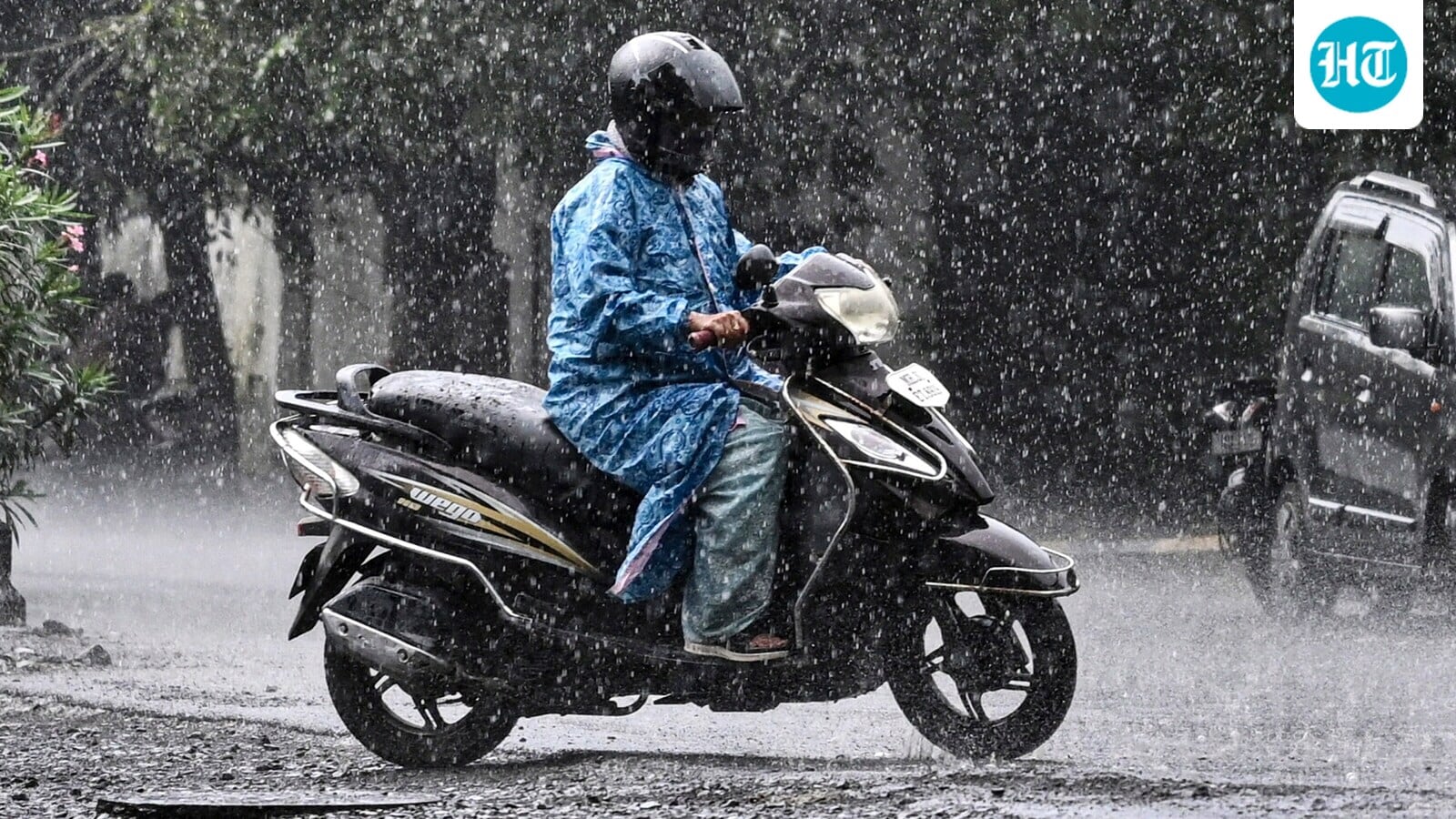
The delayed withdrawal of the southwest monsoon over central India, including Maharashtra, is likely to bring above-normal rainfall to the state in October, the India Meteorological Department (IMD) has said. However, the actual distribution will depend on the formation of weather systems, said officials aware of the matter.
970x125
On Tuesday, IMD issued its monthly probabilistic forecast for rainfall and temperature in October during a virtual press conference addressed by Mrutyunjay Mohapatra, director general of IMD. He also shared the highlights of this year’s monsoon performance.
Mohapatra said the withdrawal process of the monsoon has stalled due to the development of a low-pressure system in the Bay of Bengal. “There are no favourable conditions for further withdrawal for at least a week. Hence, central India and other parts of the country will continue to witness rainfall activity,” he noted.
On rainfall prospects for October, Mohapatra said: “As per model indications, rainfall averaged over most parts of the country will be above normal, except in Jammu and Kashmir, some parts of northwest India, and isolated pockets in peninsular India.” The IMD’s colour-coded map places Maharashtra under the blue zone, indicating above-normal rainfall. Some areas of Konkan and Goa, central Maharashtra, and Vidarbha are even likely to record “excess” rainfall.
A senior IMD scientist from Pune cautioned that the above-normal rainfall forecast does not imply consistent rain throughout October. “Variations are expected, depending on the development of weather systems. Even a single system can bring enough rain to surpass the average. We expect two systems to form in the next 15 days,” the official said.
On temperature trends, Mohapatra said maximum temperatures are likely to remain below normal across most regions, while minimum temperatures may be normal to above normal. On the possibility of a harsh winter, he added: “There are chances of La Niña conditions persisting for some time after October, which could bring below-normal temperatures. However, as per IMD’s official definition, the core winter season is in January and February, and it is too early to predict conditions for those months.
970x125
