

970x125
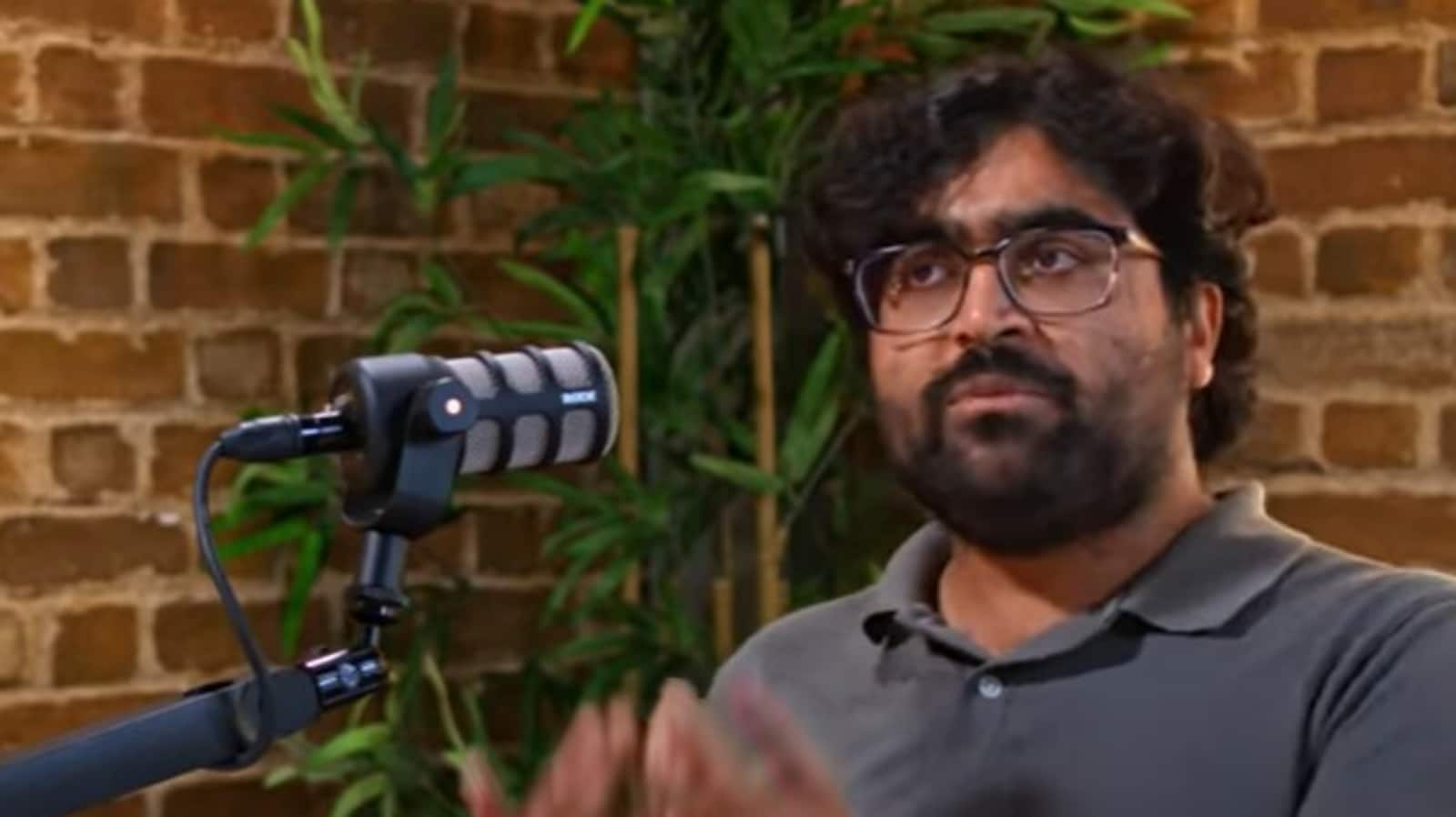
At just 26, Neel Nanda is leading the mechanistic interpretability team at Google DeepMind — a position he admits he never expected to land so early in his career. Speaking on The 80,000 Hours Podcast, Nanda described how saying yes to unexpected opportunities and challenging his perfectionist streak helped him step into leadership.
970x125
A self-described perfectionist, London-based Nanda said he often hesitated before starting projects, fearing they might fail.
“I often don’t want to do things. I’m like, ‘This seems risky. This could go wrong,'” he said on the podcast, published Tuesday. To counter that mindset, he pushed himself into an experiment: writing one blog post every day for a month.
That routine not only gave him visibility in the AI community but also seeded ideas that influenced mechanistic interpretability research. It even led him to meet his partner.
“One of the most important lessons I’ve learned is that you can just do things,” he said.
Maximising his “luck surface area”
Nanda calls this habit of creating opportunities “maximising your luck surface area.” The idea: say yes more often and give chance more room to work in your favor.
Sometimes that meant unconventional moves. Nanda once uploaded a three-hour unedited YouTube video of himself reading through a dense AI paper. Surprisingly, it drew over 30,000 views.
“People were into it,” he recalled.
From researcher to team lead
When Nanda joined DeepMind in 2023, he thought he would remain an individual contributor. But just a few months later, the team’s leader stepped down.
“I did not know if I was going to be good at this,” Nanda admitted. Still, he said yes — and took over the role.
“To me, this is both an example of the importance of having luck surface area — being in a situation where opportunities like that can arise — but also that you should just say yes to things, even if they seem kind of scary,” he said.
Today, Nanda leads a team focused on AI safety, has published dozens of papers, and mentored more than 50 junior researchers — seven of whom now work at major AI companies.
He credits his success less to a grand plan than to a mindset: “You can just do things.”
As he told the podcast, most people overestimate risks and underestimate their ability to bounce back. And for young researchers, he added, there’s a unique advantage this generation has: large language models that can accelerate learning in ways past researchers could only dream of
970x125
